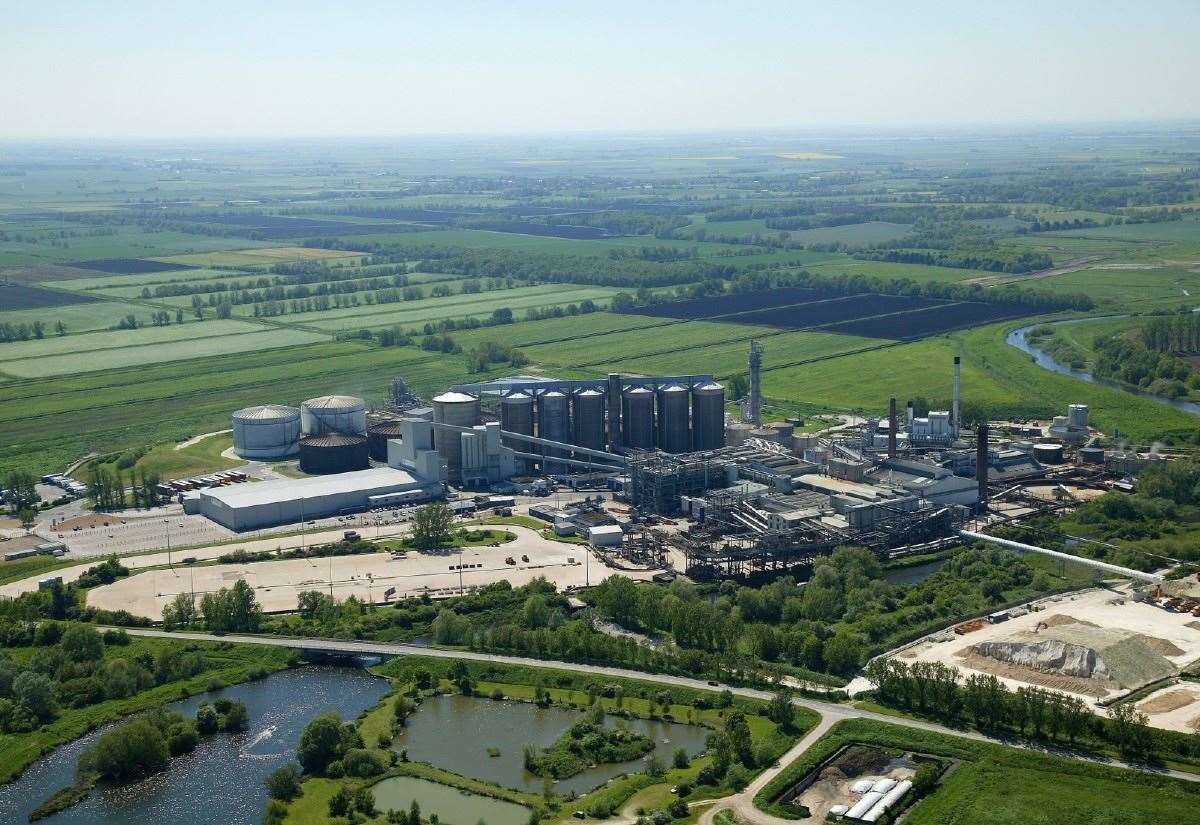
Wissington Factory: A Century of Powering UK Sugar and Efficiency
The iconic Wissington Factory, a cornerstone of **Wissington British Sugar**, stands as a testament to enduring innovation, efficiency, and a deep commitment to the UK's food supply chain. For nearly a century, its distinctive steam plume has been a seasonal reminder of the annual sugar beet campaign, a vital process that sweetens the nation's tables and fuels its industries. From humble beginnings in 1925, this facility has not only grown to become the UK's largest sugar beet factory but also a beacon of advanced processing and sustainable practices across Europe. Its evolution mirrors British Sugar's unwavering dedication to meeting market demands through continuous investment in cutting-edge technology and a holistic approach to resource utilization.
A Century of Sweet Success: The Enduring Legacy of Wissington British Sugar
The story of the Wissington Factory is one of remarkable growth and transformation. When its doors first opened in 1925, sugar beet was transported by rail or barge, and the factory processed a modest 600 tonnes of sugar beet per day. Fast forward to today, and the scale of operations is staggering: the facility now slices more than that amount in a single hour, collectively processing around 20,000 tonnes of sugar beet daily. This incredible escalation in capacity is a clear indicator of the strategic vision and continuous investment made by **Wissington British Sugar** over the decades.
This growth has cemented Wissington's status as not only the UK's largest sugar beet factory but also one of the most efficient sugar processing sites across the entire European continent. Its longevity and continuous evolution speak volumes about its adaptability and the foresight of British Sugar. It's more than just a factory; it's a significant regional landmark, an economic anchor, and a symbol of British agricultural and industrial prowess. The journey from a relatively small operation to a colossal, high-tech processing hub underscores British Sugar's commitment to self-sufficiency and leadership in the sugar industry.
Innovation at Its Core: Powering Efficiency and Production at Wissington
Maintaining a leadership position in a competitive market requires more than just size; it demands relentless innovation. **Wissington British Sugar** exemplifies this philosophy, consistently investing in technology and modernization to stay ahead. In recent years alone, British Sugar has poured over $280 million into initiatives aimed at doubling its production capacity, demonstrating a strong commitment to future growth and enhanced customer service.
This modernization isn't confined to physical infrastructure. The business has implemented a comprehensive plan across its four production centers, focusing on becoming more competitive and delivering outstanding service. A prime example is their strategic agreement with Virgin Media O2, connecting these factories, including Wissington, to 4G networks. This robust digital backbone is crucial for leveraging advanced automation and the Internet of Things (IoT). By creating a much more secure and interconnected digital environment, **Wissington British Sugar** can optimize operations, enhance data analytics, and unlock new levels of efficiency. This digital transformation isn't just about faster production; it's about enabling predictive maintenance, real-time process adjustments, and a safer working environment, ultimately helping the company efficiently supply around half of the UK's sugar demand. For any industry looking to future-proof its operations, the digital investment strategy employed by British Sugar offers a valuable blueprint for integrating advanced connectivity with traditional manufacturing.
Beyond Sugar: Wissington's Multifaceted Contribution to the UK Economy
While sugar production remains its core function, the Wissington Factory's contribution to the UK economy extends far beyond just sweetening our tea. It stands as a prime example of a circular economy in action, where "nothing goes to waste." Every year, the plant converts over 3.3 million tons of sugar beet into approximately 440,000 tons of high-quality sugar. However, that's just one part of the story.
**Wissington British Sugar** also produces a significant 70,500 tons of ethanol annually, a versatile product used for motive or electric power, contributing to the nation's energy mix and sustainability goals. This diversification underscores the plant's role in multiple sectors. Furthermore, the "no waste" philosophy means that for every tonne of sugar produced, the factory strives for minimal discard, with any remaining pulp typically processed into animal feed, returning valuable nutrients to the agricultural cycle. Topsoil, washed from the beets, is carefully returned to the fields, enriching agricultural land. This comprehensive approach maximizes value from every single sugar beet, showcasing an impressive commitment to resource efficiency and environmental stewardship. The factory supports around 800 local growers, creating a robust agricultural ecosystem that benefits local communities and strengthens regional economies, making it a true hub of sustainable industry.
The Automated Edge: Revolutionizing Logistics at British Sugar Wissington
To cope with its immense production scale – where 1,500 pallets of finished goods exit production every single day – **Wissington British Sugar** faced a significant logistical challenge. Previously, products were stored on manual pallet racks, which proved insufficient in terms of capacity and efficiency. As Samuel Chapman, Purchasing Manager at British Sugar, noted, "all operations were manual, so operators spent a lot of time loading and unloading pallets from the racks." This not only created bottlenecks but also posed ergonomic challenges for the workforce.
Recognizing the need for a radical transformation, British Sugar embraced automation. After careful consideration, they partnered with Mecalux to install an advanced AS/RS (Automated Storage and Retrieval System) featuring the Pallet Shuttle with stacker cranes. This innovative system is a game-changer for large-scale operations. It ingeniously maximizes every available square meter of surface area, allowing for a far greater density of product storage. More critically, as Chapman explains, "All movements of goods are automated, which really speeds up product inflows and outflows."
The automated stacker cranes, conveyors, and motorized shuttles work in seamless harmony, completing rapid and precise cycles to serve customer demand efficiently. Michael Burton, Customer Supply Lead at the Wissington Factory, highlighted the strategic importance of this investment. The benefits are multifaceted: significantly reduced manual handling improves workplace safety, faster throughput enhances customer satisfaction, and optimized space utilization reduces operational costs. For a deeper dive into this pivotal technological shift, explore how this
British Sugar Wissington: Europe's Largest Plant's AS/RS Innovation is setting new standards. Furthermore, understanding the broader impact of such advancements on their entire supply chain can be found in this article:
British Sugar Wissington: Automation Driving UK's Main Sugar & Ethanol Supply. Implementing automated systems like this is a crucial step for any high-volume production facility looking to future-proof its logistics and ensure peak performance.
The Wissington Factory stands as a powerful symbol of British Sugar's century-long journey, driven by a commitment to innovation, efficiency, and sustainability. From its origins as a regional processing plant to its current status as Europe's largest and most efficient sugar beet factory, **Wissington British Sugar** has consistently adapted and evolved. Through strategic investments in automation, digital connectivity, and a steadfast dedication to a circular economy model, it continues to not only power the UK's sugar supply but also contribute significantly to its energy and agricultural sectors. As it approaches its centenary, Wissington remains a vital industrial landmark, poised to continue its sweet success story for generations to come, embodying the spirit of progress and resilience in British manufacturing.